When Is Good Friday 2026: Date, Meaning & Religious Books
Good Friday is one of the most solemn and meaningful days in the Christian calendar. If you are wondering when Good Friday is in 2026, it will be observed on April 3, 2026. This sacred day commemorates the crucifixion of Jesus Christ and His death at Calvary, occurring during Holy Week just two days before Easter Sunday.
Because Good Friday is tied to Easter, it moves each year, which is why many people look it up well in advance—especially when planning travel, family gatherings, church services, or time off work. In 2026, it lands in early April, making it a key date for Holy Week schedules.
Good Friday is also one of those days where the meaning matters as much as the date. It’s a day of quiet reflection for many Christians, but it’s also the centerpiece of a larger story that moves from suffering to hope. Understanding the “why” behind the observance can make the day feel more purposeful rather than simply solemn.
Disclaimer
Love what you see at Can Dogs Help? Your support helps us bring more unique blogs to life. If you choose to purchase through our referral links below, we may receive a small contribution at no extra cost to you, which helps keep the creativity flowing. Thanks for stopping by, and hope to see you here again soon.
When Is Good Friday 2026?
In 2026, Good Friday falls on April 3. The date changes each year because it is tied to Easter, which is calculated based on the lunar calendar. Good Friday always takes place on the Friday before Easter Sunday.
For many Christians, Good Friday is a day of fasting, prayer, and reflection, marking the culmination of Jesus’ suffering and sacrifice.
Easter is calculated using a formula connected to the spring equinox and the lunar cycle. Because Good Friday is always the Friday before Easter Sunday, it shifts along with Easter. That connection is why churches and families often plan Holy Week as a sequence: Palm Sunday, Holy Thursday, Good Friday, Holy Saturday, then Easter.
If you’re coordinating schedules, it can help to note that many churches hold services at specific times—often in the afternoon or evening—reflecting the hours traditionally associated with the crucifixion narrative. Some communities also observe a midday service focused on the Seven Last Words.
Why Is Good Friday Important?
Good Friday commemorates the crucifixion of Jesus Christ, a central event in Christian belief. According to scripture, Jesus willingly endured suffering and death to offer redemption and salvation to humanity.
Despite its somber nature, Good Friday is described as “good” because it represents the fulfillment of God’s plan and the promise of resurrection that follows on Easter Sunday.
Good Friday is central to Christian theology because it highlights sacrifice, forgiveness, and redemption. In many traditions, the crucifixion is understood not as defeat, but as an act of love and obedience that leads directly to resurrection. That’s why the day is called “good”—not because it is happy, but because it is meaningful.
For many believers, Good Friday also becomes a personal moment of reflection: What does grace mean? What does forgiveness cost? What does it look like to carry hope through hardship? These are the types of questions that Good Friday invites.
How Good Friday Is Observed
Observances of Good Friday vary by denomination and culture, but many traditions share similar elements.
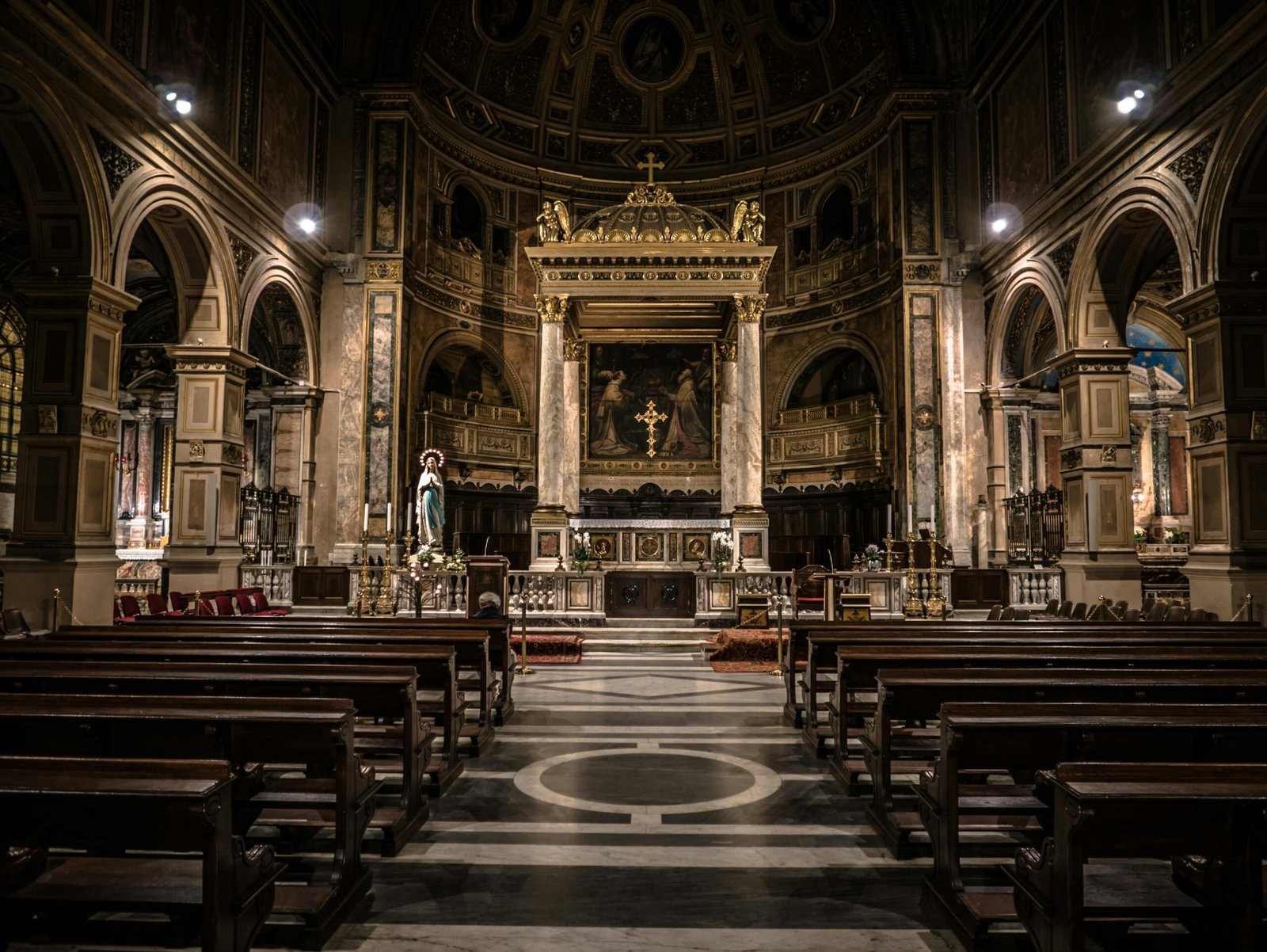
Some churches dim lights, remove decorations, or keep music minimal to reflect mourning and reverence. Others incorporate dramatic readings, processions, or the veneration of the cross. Even when the service style differs, the common thread is stillness—space to remember and to respond spiritually.
If you’re attending a service for the first time, it’s normal to find it quieter than a typical Sunday service. That quiet is part of the experience: it gives people room to sit with the story rather than rushing to the “celebration” of Easter.
Church Services
Many churches hold special Good Friday services that include scripture readings, hymns, prayers, and periods of silence. Some services focus on the Seven Last Words of Christ spoken from the cross.
Fasting and Abstinence
In Catholic and some Protestant traditions, Good Friday is a day of fasting and abstinence from meat as an act of penance and spiritual discipline.
Stations of the Cross
Many congregations participate in the Stations of the Cross, a devotional practice that reflects on key moments of Jesus’ journey to crucifixion.
The Meaning Behind the Cross
The cross is one of the most powerful symbols in Christianity. On Good Friday, it serves as a reminder of both suffering and hope.
The cross is both a historical reality and a spiritual symbol. On Good Friday, it represents suffering, but it also represents the belief that love can endure even the worst human injustice. That’s why crosses are so widely displayed in Christian homes and churches: they point to both sacrifice and the promise that suffering is not the final word.
- It represents sacrifice and obedience
- It reflects God’s love for humanity
- It points toward redemption and forgiveness
- It prepares believers for the joy of Easter
Good Friday in Different Christian Traditions
Good Friday is observed across many Christian denominations, though customs may differ.
Across traditions, Good Friday customs vary, but they often share a similar rhythm: prayer, scripture, and an intentional slowing down. Some communities practice silence for part of the day, while others focus on acts of service, giving, and reconciliation.
If you come from a different Christian background, it can be meaningful to attend a Good Friday service in another tradition at least once. The core story remains the same, but the way it’s expressed can add fresh perspective.
Catholic Tradition
Catholics typically attend a Good Friday liturgy that includes veneration of the cross and Holy Communion using hosts consecrated on Holy Thursday.
Protestant Traditions
Many Protestant churches hold prayer services, scripture readings, and sermons focused on the crucifixion.
Orthodox Christianity
Orthodox Christians observe Good Friday with extended fasting, processions, and lamentation services.
Preparing Your Heart for Good Friday
Preparing spiritually for Good Friday often begins earlier in Lent.
If you want to prepare intentionally, consider picking one small practice and committing to it: reading one Gospel passage slowly, writing a short prayer, fasting from one comfort, or spending time in gratitude. The goal isn’t performance—it’s attention.
Many people also prepare by doing a “Holy Week reset”: tidying the home, planning simple meals, and clearing space in the schedule so the day doesn’t get swallowed by errands. A quieter day often makes reflection easier.
- Set aside time for prayer and scripture reading
- Practice fasting or personal sacrifice
- Attend Holy Week services
- Reflect on gratitude and forgiveness
Recommended Religious Books for Good Friday
Religious books and audiobooks can help deepen understanding and reflection during Holy Week.
Books and devotionals can be especially helpful if you’re observing Good Friday outside a church setting, or if you want to continue reflecting throughout Lent and Holy Week. Consider listening during a walk or a quiet evening—sometimes the slower pace helps the message sink in.
- Six Hours One Friday: Living in the Power of the Cross (Audible)
- The Day Jesus Died (Paperback)
- The Cross of Christ (Audible)
These resources explore the theological, historical, and personal meaning of the crucifixion, making them valuable companions for Good Friday reflection.
Good Friday for Families and Children
Families can observe Good Friday together in age-appropriate ways.
With children, the key is age-appropriate honesty. You can focus on themes like love, sacrifice, and hope without forcing graphic details. Many families choose one simple reading, one short prayer, and one quiet activity—like drawing a cross, making a gratitude list, or lighting a candle during a moment of silence.
If your family celebrates Easter with big energy, Good Friday can be the “contrast” day—calm and reflective—so the joy of Easter feels even more meaningful. Even small rituals can create powerful memories.
- Reading simplified Bible passages
- Discussing the meaning of sacrifice and love
- Participating in quiet activities or prayer
- Preparing for Easter celebrations together
Good Friday vs. Easter Sunday
Good Friday and Easter Sunday are deeply connected. While Good Friday focuses on suffering and sacrifice, Easter celebrates resurrection and victory over death. Together, they form the heart of Christian belief.
Good Friday and Easter form a single narrative arc. Without Good Friday, Easter can feel like a celebration without context. Without Easter, Good Friday can feel like sorrow without resolution. Together, they reflect a central Christian conviction: that suffering and death are real, but they do not have the final word.
FAQ
When is Good Friday in 2026?
Good Friday in 2026 will be observed on April 3.
Is Good Friday a public holiday?
In some countries and regions, Good Friday is a public holiday, while in others it is observed religiously but not officially.
Do Christians fast on Good Friday?
Many traditions encourage fasting or abstinence as a form of devotion.
What day is Easter Sunday 2026?
Easter Sunday in 2026 falls on April 5, which is why Good Friday is April 3.
Is Good Friday always on a Friday?
Yes. It is always observed on the Friday before Easter Sunday.
What is Holy Saturday?
Holy Saturday is the day between Good Friday and Easter Sunday. Many Christians treat it as a quiet day of waiting and reflection before the celebration of Easter.