How to Play Gin Rummy: Rules & Book Recommendations
Gin Rummy is one of the most popular two-player card games in the world, known for its balance of strategy, memory, and luck. If you’re searching for how to play Gin Rummy, you’re likely looking for a clear explanation of the rules, scoring, and winning strategies that actually make sense. While the game is easy to learn, mastering it takes practice and thoughtful decision-making.
The good news: you can learn the basics in minutes. Gin Rummy follows a simple rhythm—draw, make progress toward melds, discard—while you watch what your opponent is doing. The “depth” comes from decisions like which cards you keep, which you throw away, and when you end the round. This guide walks you through everything step by step, then adds practical strategy tips to help you win more consistently.
Disclaimer
Love what you see at Can Dogs Help? Your support helps us bring more unique blogs to life. If you choose to purchase through our referral links below, we may receive a small contribution at no extra cost to you, which helps keep the creativity flowing. Thanks for stopping by, and hope to see you here again soon.
What Is Gin Rummy?
Gin Rummy is a variation of the rummy family of card games and is typically played between two players. The game focuses on forming melds while minimizing unmatched cards, known as deadwood. Unlike some rummy games, Gin Rummy is fast-paced and heavily rewards careful observation and planning.
The game has been popular for decades because it blends simple mechanics with deep strategic possibilities. A single round can take just a few minutes, making it ideal for casual play or competitive sessions.
Many people love Gin Rummy because it rewards both short-term tactics and long-term habits. In the short term, you’re trying to build sets and runs efficiently. In the long term, you’re learning how to read the discard pile, anticipate what your opponent is collecting, and manage risk. That’s why the game stays interesting even after hundreds of rounds.
Objective of Gin Rummy
The main objective is to score points by forming melds and reducing the value of your deadwood cards. A player can end a round by either “knocking” or going “gin.” The round ends immediately when one of these conditions is met.
Most games are played as a match to a target score, commonly 100 points (though house rules vary). That means you’ll play multiple rounds, adding points until one player reaches the winning score. In many matches, the player who controls deadwood and knocks well will outscore someone who chases “perfect” hands.
What Are Melds?
- Sets: Three or four cards of the same rank, such as three Kings.
- Runs: Three or more cards of the same suit in consecutive order, such as 4-5-6 of Hearts.
Anything not in a meld at the end of the round is deadwood, and deadwood hurts—because those points get counted against you. In other words, Gin Rummy is about building melds and keeping your leftovers as small as possible.
Card Setup and Dealing
Gin Rummy uses a standard 52-card deck with no jokers. Each player is dealt 10 cards. The remaining cards are placed face-down to form the draw pile. The top card of the draw pile is placed face-up to begin the discard pile.
The non-dealing player takes the first turn, giving them a slight strategic advantage.
How to Play Gin Rummy Step by Step
1. Drawing a Card
On your turn, you must draw one card. You can choose either the top card from the draw pile or the top card from the discard pile.
Choosing from the discard pile gives you a known card (and often helps you complete a meld), but it also reveals information: your opponent now knows you wanted that card. Drawing from the face-down pile hides your intent, but it’s riskier because the card is unknown.
2. Forming Melds
After drawing, you may form melds in your hand. Unlike some rummy games, melds are typically kept hidden until the end of the round.
Keeping melds hidden matters strategically. It means both players must infer what’s happening based on discards and pickups. Your opponent can’t “see” your progress, so your job is to manage what you reveal through your choices.
3. Discarding a Card
At the end of your turn, you must discard one card onto the discard pile. This decision is critical, as it can either help or hinder your opponent.
Discarding is where many rounds are won and lost. A great discard is one that reduces your deadwood without giving your opponent an easy meld. If you throw away a card that completes their set or run, you may hand them the round.
Beginner habit: Before you discard, pause and ask: “If I were my opponent, would I want this card?” If the answer is yes, look for a safer discard.
Knocking and Going Gin
A player may “knock” when their deadwood totals 10 points or fewer. When this happens, both players reveal their hands and scoring begins.
Going “gin” occurs when a player has no deadwood at all. This results in a bonus and often swings the game dramatically in the player’s favor.
Knowing when to knock is a core skill. If you wait too long, your opponent may go gin first. If you knock too early, you may leave points on the table—or worse, get undercut.
What Is “Laying Off”?
After a player knocks, the opponent may be allowed to “lay off” some of their deadwood by adding cards to the knocker’s melds. For example, if the knocker has a run of 4-5-6 of Hearts, the opponent might add a 7 of Hearts to that run if they have it. Laying off reduces the opponent’s deadwood and can change the score.
Because of layoff rules, a good knock isn’t just “10 or less”—it’s a knock that also minimizes how much your opponent can lay off. This is one reason runs and sets that end at “open” edges can be a little riskier when you’re about to knock.
Scoring in Gin Rummy
Understanding scoring is essential to winning consistently.
- Knocking: The knocker scores the difference between their deadwood and their opponent’s.
- Gin Bonus: A player who goes gin typically earns a 25-point bonus.
- Undercut: If the opponent has equal or fewer deadwood points after a knock, they receive the undercut bonus.
Face cards (Kings, Queens, Jacks) are worth 10 points each. Aces are worth 1 point. Number cards are worth their number value.
Basic Gin Rummy Strategies
Winning at Gin Rummy involves more than just knowing the rules. Strategy plays a major role.
Watch Your Opponent
Pay attention to which cards your opponent picks up and discards. This gives insight into the melds they are forming.
For example, if your opponent picks up a 7 of Spades from the discard pile, they’re probably building a run in Spades or collecting 7s. If they then discard an 8 of Spades later, that suggests they needed the 7 for a set (7-7-7) rather than a run—because the 8 would have helped a Spade run. These little clues add up fast.
Control the Discard Pile
Discard cards that are unlikely to help your opponent. Avoid discarding cards that could easily complete a run or set.
“Middle cards” like 6, 7, 8 are often more dangerous than edge cards like Ace or King because they connect to more possible runs. If you’re unsure what your opponent wants, discarding a high-connection middle card can be risky.
Manage Deadwood
Holding onto high-value cards late in the round increases risk. Reducing deadwood early gives flexibility.
A common beginner trap is keeping two or three face cards “just in case” they form a set later. Those cards are expensive deadwood. If the round ends suddenly (your opponent knocks), those 10-point cards can crush you. When in doubt, unload high deadwood unless you’re close to gin.
Keep Multiple Paths Open
Strong players avoid committing too early. For instance, if you have 4-5 of Hearts and 5-5 of another suit, you might keep options open for either a run (3-4-5-6) or a set of 5s. Flexibility prevents you from getting stuck holding useless cards.
Common Mistakes Beginners Make
- Holding cards too long waiting for perfect melds
- Ignoring opponent behavior
- Discarding useful cards too early
- Forgetting about undercut risks
- Knocking without considering how much the opponent can lay off
Most of these mistakes come down to one thing: information. Gin Rummy is a game of partial information. The discard pile is your “data.” The better you use it, the more your decisions improve.
Popular Gin Rummy Variations
While standard Gin Rummy is the most common, variations exist.
- Oklahoma Gin: Changes the knocking limit.
- Hollywood Gin: Uses a cumulative scoring system.
Variations keep the game fresh and can change strategy dramatically. If you’re playing casually, it’s worth agreeing on the version and scoring rules before you start so everyone’s expectations match.
Recommended Gin Rummy Games and Books
Having the right tools can make learning and practicing Gin Rummy more enjoyable.
- The Rummy Card Game Kit includes everything needed for Gin Rummy.
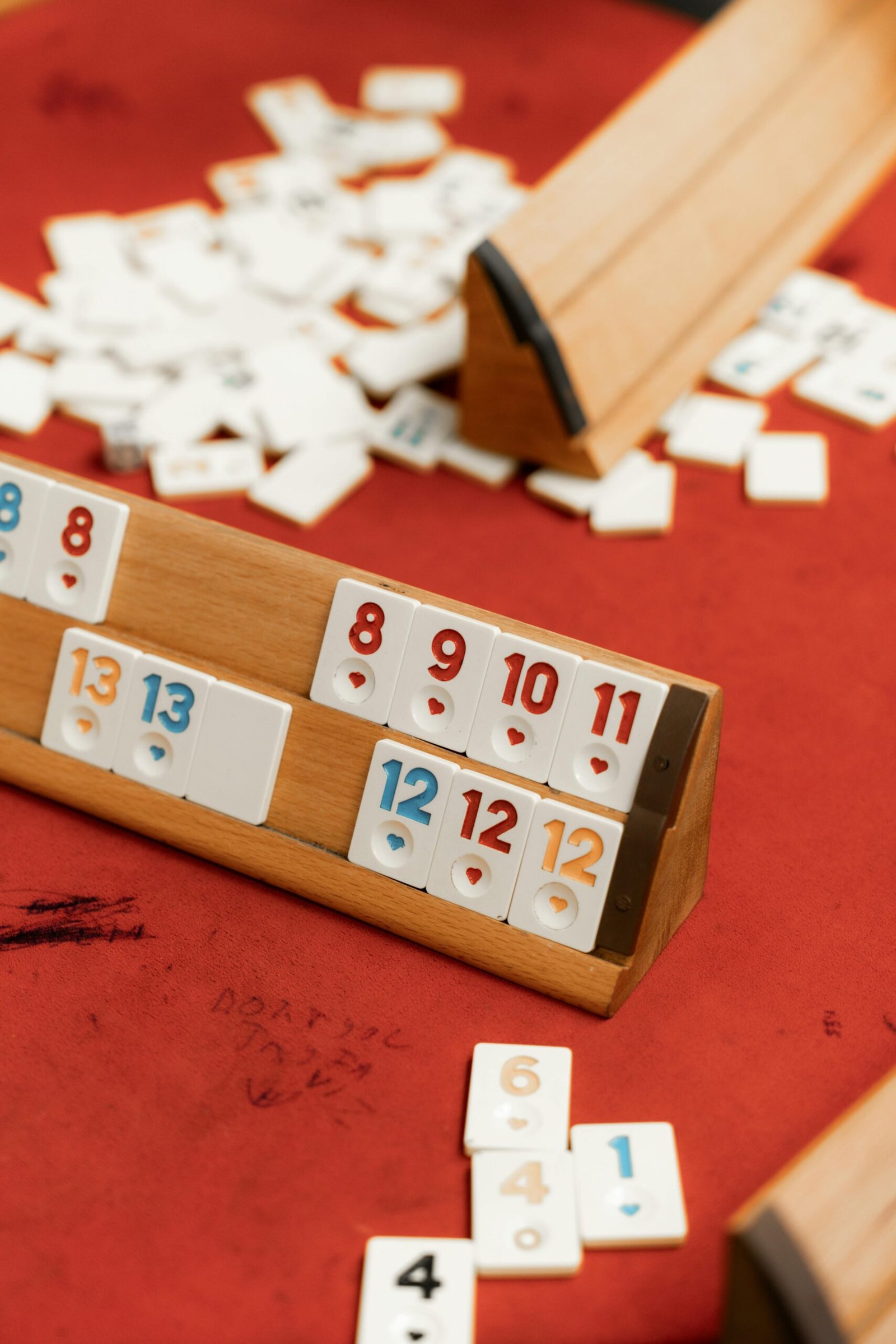
- For tile-based fans, Pressman Rummikub offers a rummy-style alternative.
- Beginners may find How to Play Gin Rummy: The Complete Beginner’s Guide especially helpful.
If you’re learning with a friend or family member, a ready-to-go kit like the Rummy Card Game Kit makes setup easy and keeps everything organized. And if you enjoy the “meld-building” feeling but want something different, Rummikub is a fun switch-up that still scratches the rummy itch.
Practice Ideas to Get Better Faster
If you want to improve quickly, try these practical drills:
- Post-round review: After each round, look back at one discard that felt “questionable” and ask what you would do differently.
- Deadwood goal: In early rounds, prioritize reducing deadwood below 10 quickly, then decide whether to build toward gin.
- Opponent tracking: For one match, focus only on what your opponent picks up from the discard pile and build your discards around that.
Consistent improvement usually comes from better discards and better timing on knocks.
Why Gin Rummy Is Still Popular
Gin Rummy remains popular because it rewards skill over time. While luck affects individual hands, strong strategy consistently leads to better outcomes. It’s a game that grows with the player, offering deeper challenges as experience increases.
FAQ
Is Gin Rummy hard to learn?
No. The basic rules are simple, and most players can start playing within minutes.
How long does a Gin Rummy game last?
A single round may last only a few minutes, while a full match can take 30 minutes or more.
Is Gin Rummy skill or luck?
Both, but skill plays a much larger role over multiple rounds.
What’s the best beginner strategy?
Focus on lowering deadwood first, avoid feeding your opponent obvious cards, and knock at smart times (not just the first time you hit 10 or less).