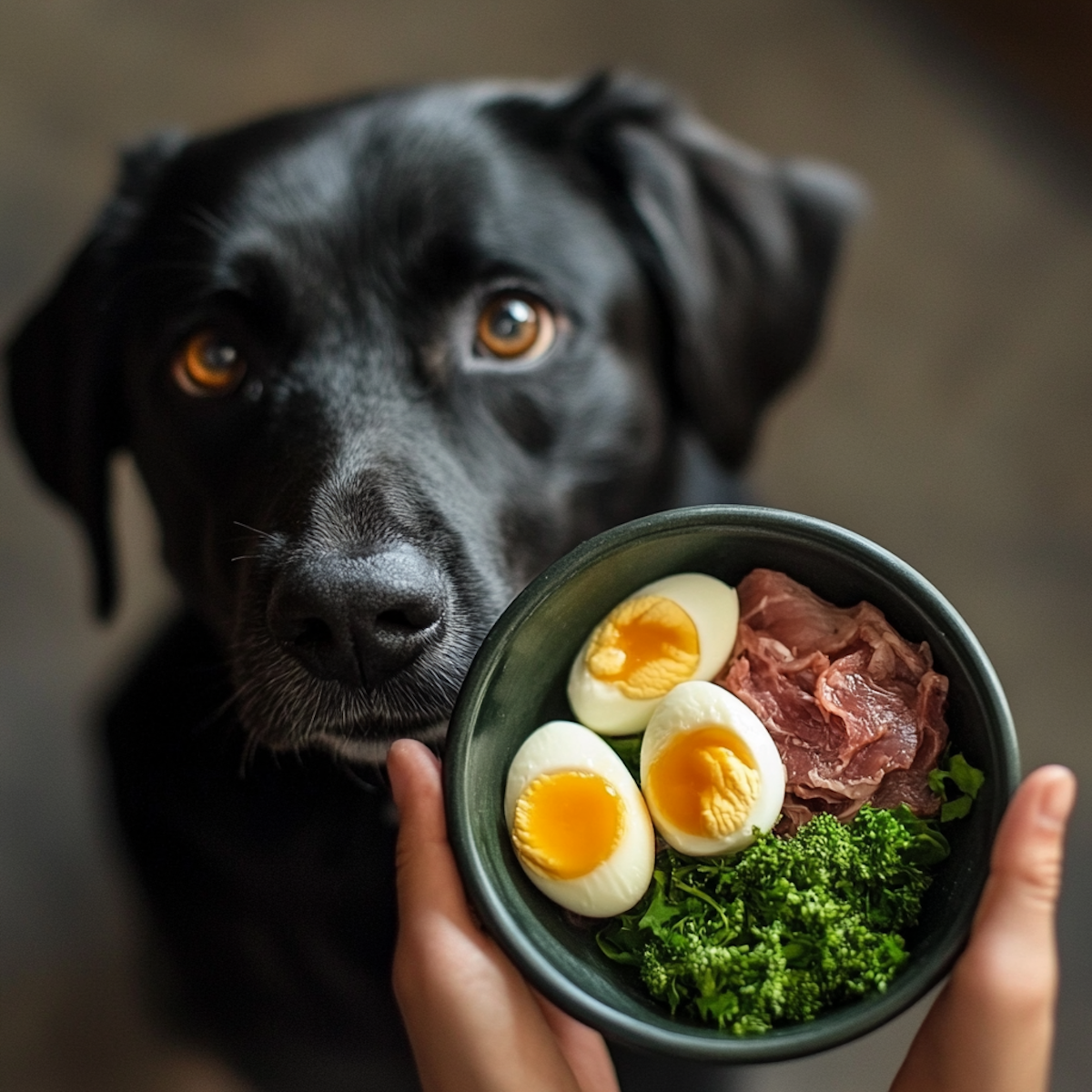
Can Dogs Eat Raw Eggs? Pros, Cons, Salmonella Risks & Safer Feeding Options
Raw feeding has become a popular topic among dog owners who want to provide what they believe is a more natural diet for their pets. One of the most common questions that comes up in these discussions is whether dogs can safely eat raw eggs. While eggs are packed with nutrients, feeding them raw comes with important risks that every dog owner should understand before making a decision.
Love what you see at Can Dogs Help? Your support helps us bring more unique blogs to life. If you choose to purchase through our referral links below, we may receive a small contribution at no extra cost to you, which helps keep the creativity flowing. Thanks for stopping by, and hope to see you here again soon.
Can Dogs Eat Raw Eggs?
Dogs can technically eat raw eggs, but that does not mean they should. While raw eggs are not toxic to dogs, they pose several health risks that make them a controversial and often discouraged food choice.
Veterinarians generally recommend avoiding raw eggs due to the potential for bacterial contamination and nutrient absorption issues.
Potential Benefits of Eggs for Dogs
Eggs are a nutrient-dense food and can be beneficial for dogs when prepared safely.
High-Quality Protein
Eggs contain all essential amino acids, making them a complete protein source that supports muscle development and maintenance.
Vitamins and Minerals
Eggs provide vitamins such as A, D, E, and B-complex vitamins, along with minerals like selenium and iron. These nutrients support immune function, skin health, and energy metabolism.
Fatty Acids for Skin and Coat
Egg yolks contain healthy fats that can contribute to a shiny coat and healthy skin when fed appropriately.
Salmonella Risk in Raw Eggs
One of the biggest concerns with feeding raw eggs to dogs is the risk of Salmonella. Raw eggs can carry harmful bacteria that cause gastrointestinal illness in dogs and can also be transmitted to humans through contact with contaminated surfaces.
According to public health guidance, Salmonella infections may lead to symptoms such as vomiting, diarrhea, fever, and lethargy. Puppies, senior dogs, and dogs with compromised immune systems are particularly vulnerable.
Biotin Deficiency Concerns
Raw egg whites contain a protein called avidin, which binds to biotin (a B vitamin) and prevents its absorption. Feeding raw egg whites frequently over time may contribute to biotin deficiency.
Biotin deficiency can lead to skin problems, hair loss, and poor coat quality. Cooking eggs neutralizes avidin, making biotin more readily available.
Signs of Foodborne Illness in Dogs
If a dog becomes ill after consuming raw eggs, symptoms may include:
- Vomiting
- Diarrhea (sometimes bloody)
- Fever
- Lethargy
- Loss of appetite
If any of these symptoms appear, contact your veterinarian promptly.
Safer Ways to Feed Eggs to Dogs
If you want to include eggs in your dog’s diet, safer preparation methods reduce risks significantly.
Cooked Eggs
Cooking eggs kills harmful bacteria and eliminates avidin concerns. Scrambled, boiled, or lightly cooked eggs without oil, butter, salt, or seasoning are the safest options.
Egg-Based Dog Treats
Commercial treats made with eggs are formulated for dogs and provide nutritional benefits without the risks of raw feeding. The BLACK FOX Freeze-Dried Chicken Egg Yolk Dog Treats offer a single-ingredient option made from egg yolks.
Balanced Diet Alternatives
A balanced diet is key to long-term health. Instead of raw eggs, consider high-quality dog foods and supplements that meet nutritional needs safely.
High-Quality Kibble
The Blue Buffalo Life Protection Formula Adult Dry Dog Food provides complete nutrition with real meat and whole grains.
Mixed Diet Options
Some owners prefer mixing kibble with wet food or home-cooked meals. The Beneful Purina Small Breed Wet Dog Food Variety Pack offers convenient options for variety.
Dog Supplements
Supplements can support digestion and skin health. The Zesty Paws Dog Allergy Relief Probiotic Chews are designed to support gut health and immune function.
Non-Food Dog Lover Items
For dog lovers who enjoy pet-themed home decor, the Ogiselestyle Farmhouse Dog Lover Pillow Cover adds a cozy touch without dietary concerns.
When to Talk to Your Veterinarian
Before making major changes to your dog’s diet, including adding raw or cooked eggs, consult your veterinarian. They can help determine what is appropriate based on your dog’s age, size, health status, and nutritional needs.
Conclusion
So, can dogs eat raw eggs? While raw eggs are not toxic, they carry risks related to Salmonella and nutrient absorption that make them a less-than-ideal choice. For most dogs, cooked eggs or egg-based dog treats are a much safer option.
By prioritizing food safety and balanced nutrition, you can support your dog’s health while avoiding unnecessary risks associated with raw feeding.
Raw Eggs and Dogs: The Full Conversation
Raw feeding is one of the most debated topics in dog nutrition, and raw eggs often sit at the center of that discussion. Some dog owners swear by them for coat shine and protein, while others avoid them entirely due to safety concerns. The truth lies in understanding both the benefits and the risks—and knowing when the risks simply aren’t worth it.
Are Raw Eggs Actually Safe for Dogs?
Raw eggs are not toxic to dogs, but they are not considered safe or ideal. The two biggest concerns are bacterial contamination and nutrient absorption problems. Many veterinarians discourage feeding raw eggs because the potential downsides outweigh the benefits for most dogs.
Salmonella: The Biggest Risk
Raw eggs can carry Salmonella bacteria. Dogs exposed to Salmonella may develop gastrointestinal illness, including vomiting, diarrhea, fever, and lethargy. Even dogs that show no symptoms can still shed bacteria in their saliva and stool, creating a risk for humans in the household.
Households with young children, elderly individuals, pregnant people, or immunocompromised family members should be especially cautious about raw egg exposure.
Biotin Deficiency Explained Simply
Raw egg whites contain a protein called avidin, which binds to biotin and prevents the body from absorbing it. Biotin is essential for healthy skin, coat, and metabolism. Feeding raw egg whites frequently over time can contribute to biotin deficiency.
Cooking eggs neutralizes avidin, allowing biotin to be absorbed normally and eliminating this concern entirely.
Can Raw Eggs Improve a Dog’s Coat?
Many people claim raw eggs improve coat shine. While eggs do contain beneficial fats and protein, the same benefits can be achieved with cooked eggs, high-quality dog food, or supplements designed specifically for canine skin and coat health—without the risks of bacteria or nutrient interference.
Are Some Dogs More at Risk Than Others?
Yes. Certain dogs should never be fed raw eggs due to higher risk of complications:
- Puppies with developing immune systems
- Senior dogs
- Dogs with compromised immune systems
- Dogs with gastrointestinal disease
- Dogs living with immunocompromised humans
Cooked Eggs: A Much Safer Choice
Cooking eggs eliminates Salmonella and neutralizes avidin, making eggs far safer for dogs. Cooked eggs still provide high-quality protein, vitamins, and healthy fats without the added risk.
The safest ways to prepare eggs for dogs include boiling or scrambling them plain—no oil, butter, salt, or seasoning.
How Often Can Dogs Eat Eggs?
Eggs should be treated as a supplement or treat, not a dietary staple. Most dogs do well with a cooked egg about once a week. Smaller dogs may need even less.
Too many eggs can add excess calories and fat, leading to weight gain or digestive upset.
What About Raw Feeding Diets?
Some raw diets include eggs as part of a carefully balanced plan designed by a veterinary nutritionist. These diets attempt to manage risk through sourcing, handling, and balance. However, homemade raw diets without professional guidance can easily become unbalanced or unsafe.
If you are committed to raw feeding, consult a veterinarian or canine nutritionist to ensure safety and proper nutrient balance.
What To Do If Your Dog Eats a Raw Egg
If your dog accidentally eats a raw egg, monitor them for symptoms such as vomiting, diarrhea, lethargy, or fever over the next 24–48 hours. Many dogs will be fine after a single exposure, but symptoms should prompt a call to your veterinarian.
Safer Alternatives to Raw Eggs
If your goal is improved coat health or added protein, there are safer options than raw eggs:
- Cooked eggs served plain
- Egg-based dog treats
- Omega-3 supplements for skin and coat
- High-quality complete dog food
FAQ: Can Dogs Eat Raw Eggs?
Can dogs eat raw eggs safely?
Raw eggs are not toxic, but they carry risks such as Salmonella exposure and biotin deficiency. Most veterinarians recommend avoiding raw eggs.
Are raw eggs better than cooked eggs for dogs?
No. Cooked eggs provide the same nutritional benefits without the risks associated with raw eggs.
Can puppies eat raw eggs?
No. Puppies are more vulnerable to bacterial infections and should not be fed raw eggs.
What happens if my dog eats raw egg whites regularly?
Frequent consumption may interfere with biotin absorption and lead to skin and coat problems over time.
Can dogs get Salmonella from raw eggs?
Yes. Dogs can contract Salmonella and may also spread it to humans in the household.
How should I prepare eggs for my dog?
Eggs should be fully cooked and served plain, without seasoning, oil, or butter.
How often can dogs eat cooked eggs?
Most dogs can safely eat a cooked egg once or twice per week, depending on size and diet.
Conclusion
So, can dogs eat raw eggs? While raw eggs are not immediately toxic, they carry unnecessary risks that make them a poor choice for most dogs. Salmonella exposure and biotin absorption issues are avoidable simply by cooking the egg.
For safer nutrition and peace of mind, cooked eggs or dog-formulated egg treats are the better option. When in doubt, your veterinarian is the best resource for diet decisions.