Can Dogs Eat Peaches: Safety, Pit Dangers & Fruit-Based Dog Treats
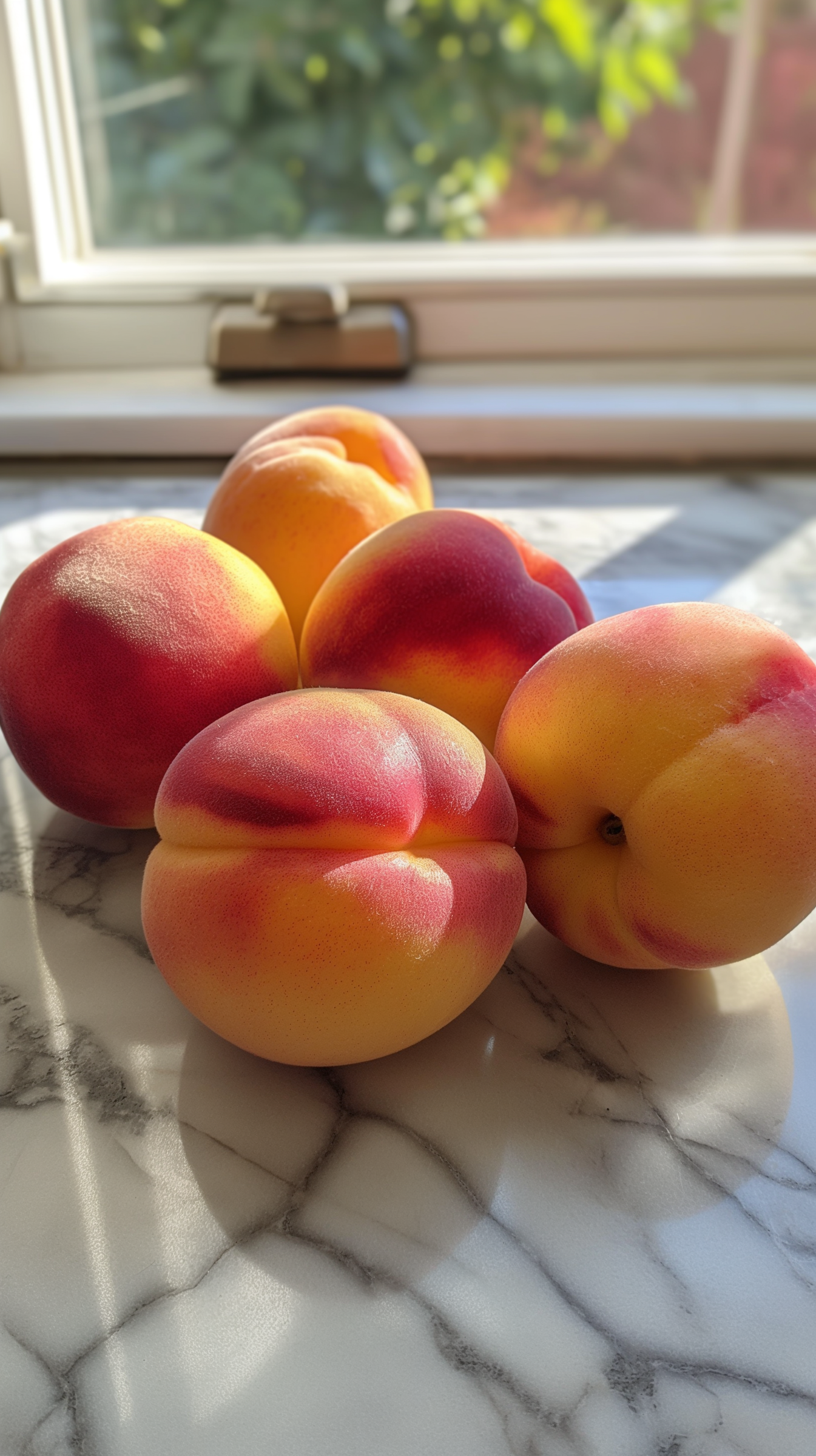
Many dog owners wonder whether sharing fresh fruit with their pets is safe, and peaches often come up as a popular summer snack. The short answer is yes, dogs can eat peaches, but only when they are properly prepared and served in moderation. While peaches offer several nutritional benefits, there are also important safety risks that every dog owner should understand before letting their pet take a bite.
Peaches are naturally sweet, hydrating, and packed with vitamins, which makes them appealing to dogs and humans alike. However, improper preparation—especially leaving the pit intact—can quickly turn a healthy snack into a dangerous situation. Knowing how peaches affect dogs, what parts are safe, and how often they should be offered helps ensure peaches remain a positive treat rather than a health hazard.
Disclaimer
Love what you see at Can Dogs Help? Your support helps us bring more unique blogs to life. If you choose to purchase through our referral links below, we may receive a small contribution at no extra cost to you, which helps keep the creativity flowing. Thanks for stopping by, and hope to see you here again soon.
Nutritional Benefits of Peaches for Dogs
Peaches can be a nutritious, low-calorie snack when offered occasionally. They contain vitamin A, which supports eye health and immune function, and vitamin C, which plays a role in tissue repair and overall wellness. While dogs naturally produce vitamin C on their own, small dietary sources can still support immune response during times of stress or illness.
Another benefit of peaches is their fiber content. Fiber helps regulate digestion and can support healthy bowel movements when consumed in small quantities. For dogs prone to mild constipation, a few peach slices may offer gentle digestive support.
Peaches also contain a high percentage of water, making them a refreshing option during warmer months. Dogs that struggle to stay hydrated may enjoy frozen peach slices as a cooling snack. Additionally, the natural sweetness of peaches makes them appealing to picky eaters who may not enjoy other fruits or vegetables.
Despite these benefits, peaches should never replace a balanced dog diet. They are best used as an occasional treat, not a staple food. Too much fruit can lead to digestive upset or unnecessary sugar intake.
Are Peaches Safe for Dogs?
The flesh of a ripe peach is safe for dogs, but the pit is extremely dangerous. Peach pits contain cyanogenic compounds, which can release cyanide when chewed or digested. Even a small amount can pose a serious risk, especially for smaller dogs.
Beyond toxicity, peach pits are also a choking hazard and can cause intestinal blockages if swallowed. Blockages may require emergency veterinary care and, in severe cases, surgery.
Key safety risks include:
- Cyanide toxicity from the pit
- Choking hazards
- Intestinal blockages
- Dental damage from chewing hard pits
Another concern is moderation. Peaches contain natural sugars, and excessive consumption can lead to:
- Diarrhea
- Vomiting
- Gas or bloating
Dogs with diabetes or weight issues should only eat peaches with veterinary approval.
Important: Never allow dogs access to whole peaches or peach pits. Always remove the pit completely before serving.
How to Prepare Peaches for Your Dog
Proper preparation is essential to keep peaches safe for dogs. Follow these steps every time:
- Wash thoroughly: Rinse peaches under running water to remove pesticides, dirt, or residue.
- Remove the pit completely: Discard the pit in a sealed trash container that dogs cannot access.
- Slice into small pieces: Small, bite-sized pieces reduce choking risk and help control portions.
- Serve fresh or frozen: Fresh peach slices are ideal, while frozen slices can be a refreshing summer treat.
Avoid seasoning peaches or adding sugar, syrups, or spices. Dogs should only eat plain, fresh peach flesh.
Fruit-Based Dog Treat Options
Some dog owners prefer the convenience of ready-made treats rather than preparing fresh fruit. Fruit-based commercial treats can be a good alternative when made with dog-safe ingredients and minimal additives.
Pet owners sometimes explore options like organic peach-based dog treats, which are formulated specifically for canine digestion and often avoid artificial flavors or fillers.
Another popular option includes Fruitables baked dog treats, known for their low-calorie recipes and fruit-forward ingredients. These treats are often suitable for training or portion-controlled snacking.
Not all pet-related purchases have to be edible. For dog lovers who enjoy meaningful keepsakes, a paw print photo frame kit offers a sentimental way to celebrate the bond between dogs and their owners.
When choosing any commercial treat, always:
- Check ingredient lists carefully
- Avoid artificial sweeteners like xylitol
- Monitor portion sizes
FAQ
Can dogs eat peaches every day?
No. Peaches should be offered occasionally, not daily. Too much fruit can upset a dog’s stomach.
Can puppies eat peaches?
Puppies can have very small amounts of peach flesh, but only with veterinary approval and strict pit removal.
Are peach skins safe for dogs?
Yes, peach skins are generally safe, but they should be washed thoroughly to remove pesticides.
Are canned peaches safe for dogs?
No. Canned peaches usually contain added sugars or syrups that are unhealthy for dogs.
Can dogs eat frozen peaches?
Yes, frozen peach slices can be a refreshing treat, especially in hot weather, as long as the pit is removed.
What should I do if my dog eats a peach pit?
Contact a veterinarian immediately. Peach pits can be toxic and can cause dangerous blockages.
Can dogs eat peach-flavored foods?
Only if the product is specifically made for dogs. Human peach-flavored foods may contain harmful ingredients.