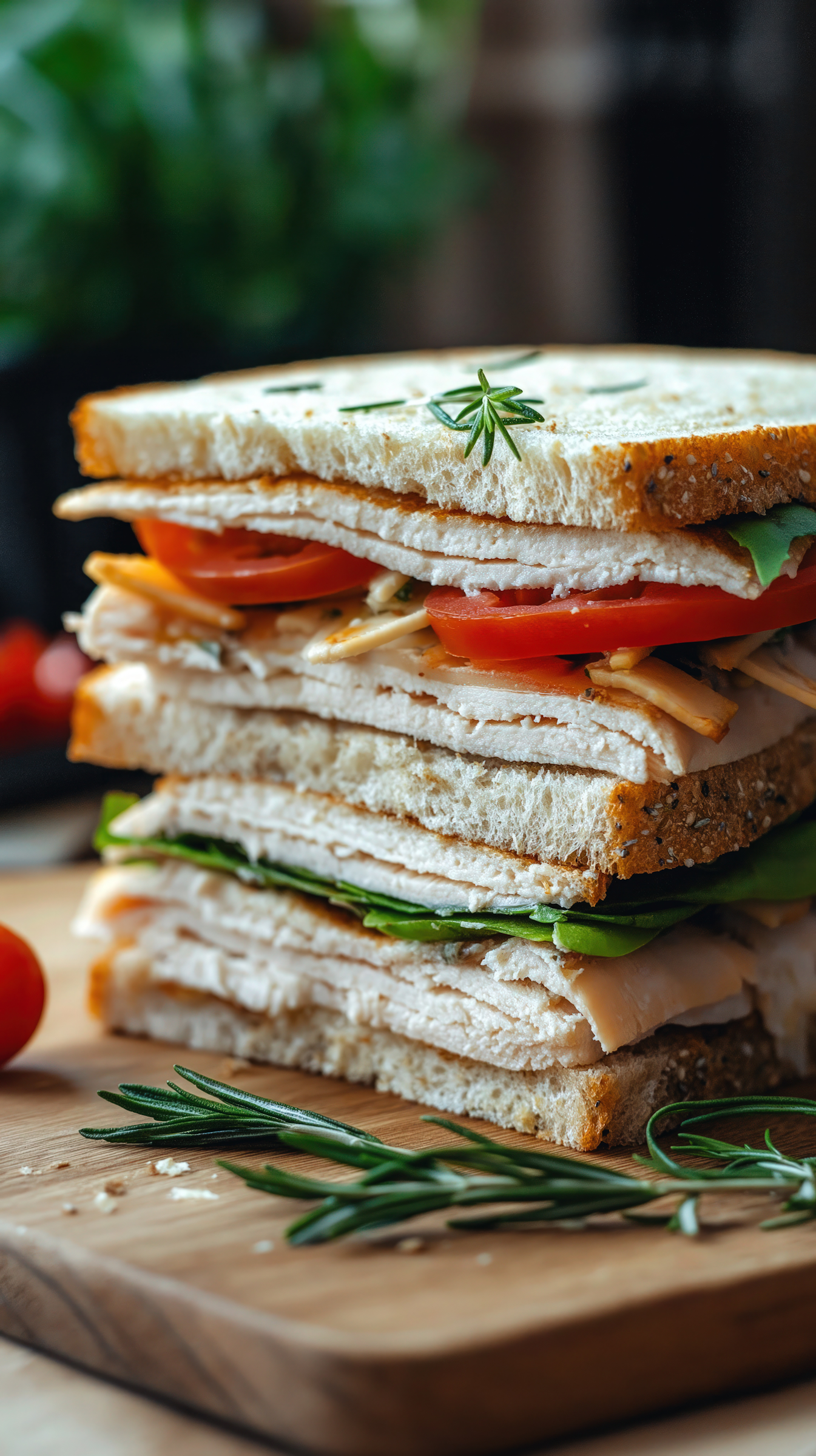
Can Dogs Eat Ham: Salt, Fat & Healthier Dog Treat Options
Many dog owners ask whether ham is safe to share with their pets, especially during holidays, family dinners, or special occasions when ham is often on the table. While dogs can technically eat very small amounts of plain ham, it is generally not recommended by veterinarians. Ham is high in salt and fat, two components that dogs do not process as efficiently as humans.
Even though ham comes from pork, which is a protein dogs can eat in other forms, the way ham is prepared makes it risky. It is usually cured, smoked, or heavily seasoned, which significantly increases sodium levels and introduces additives that can stress a dog’s digestive system. Over time, repeated exposure to these ingredients can contribute to long-term health issues.
This guide breaks down exactly why ham is unsafe for dogs, what symptoms to watch for if your dog gets into it, and which healthier alternatives you can offer instead. If you’ve ever wondered whether “just one bite” is okay, understanding the risks will help you make safer choices for your dog.
Disclaimer
Love what you see at Can Dogs Help? Your support helps us bring more unique blogs to life. If you choose to purchase through our referral links below, we may receive a small contribution at no extra cost to you, which helps keep the creativity flowing. Thanks for stopping by, and hope to see you here again soon.
Why Ham Is Dangerous for Dogs
Ham is a processed meat that contains far more sodium and fat than dogs need for a balanced diet. Dogs require only small amounts of sodium to maintain normal bodily functions, and ham often exceeds those limits in just a few bites. Excess salt can lead to dehydration, electrolyte imbalance, and in severe cases, sodium ion poisoning.
Fat is another major concern. Dogs metabolize fat differently than humans, and high-fat foods like ham can overwhelm the pancreas. This increases the risk of pancreatitis, a painful and potentially life-threatening condition that causes inflammation of the pancreas and severe digestive distress.
Beyond salt and fat, ham is often cured with preservatives and flavor enhancers that provide no nutritional benefit to dogs. These additives can irritate the gastrointestinal tract and may contribute to vomiting, diarrhea, or long-term digestive sensitivity.
- High sodium: Can cause vomiting, diarrhea, and extreme thirst.
- High fat: May trigger pancreatitis, especially in small or overweight dogs.
- Additives: Preservatives like nitrates can irritate a dog’s digestive system.
- Bones: Ham bones can splinter and cause choking or intestinal blockage.
Important: Dogs with kidney disease, heart conditions, or a history of pancreatitis should never eat ham.
Signs of Ham-Related Health Issues
If a dog consumes too much ham, symptoms may appear within hours or develop gradually over the next few days. Mild reactions can include increased thirst, mild stomach upset, or temporary lethargy. More serious reactions may involve repeated vomiting, diarrhea, abdominal pain, or visible discomfort.
In cases of high sodium intake, dogs may drink excessive amounts of water, pant heavily, or appear disoriented. Pancreatitis symptoms often include hunched posture, refusal to eat, and sensitivity around the abdomen. These signs should never be ignored, as early veterinary intervention can prevent complications.
If your dog has eaten a large portion of ham or shows any unusual behavior after ingestion, contacting a veterinarian is always the safest option.
Healthier Treat Alternatives for Dogs
Instead of ham, choose treats that support your dog’s health while still being tasty and rewarding. The best dog treats are low in sodium, moderate in fat, and made with simple, recognizable ingredients.
Lean proteins, single-ingredient treats, and veterinarian-recommended commercial options provide flavor without unnecessary risk. These alternatives allow you to reward your dog without compromising their long-term health.
High-quality commercial treats like Blue Buffalo Nudges Grillers natural dog treats provide real meat flavor without excessive salt or artificial additives.
Single-ingredient options such as freeze-dried beef liver dog treats are another excellent choice, offering high protein with minimal processing.
You can also offer lean, unseasoned meats like boiled chicken or turkey, as well as dog-safe fruits and vegetables in moderation.
FAQ
Can dogs eat ham occasionally?
From a veterinary perspective, “occasionally” still carries risk. While a tiny bite of plain ham may not cause immediate harm in a healthy dog, it offers no real nutritional benefit and introduces unnecessary salt and fat.
Very small amounts of plain, unseasoned ham may not be immediately harmful, but it should not be a regular treat.
Is cooked ham safer than raw ham?
Cooking does not remove the high salt or fat content, so cooked ham is still not ideal for dogs.
What should I do if my dog eats a lot of ham?
Monitor for symptoms and contact your veterinarian if you notice any unusual behavior.