Can Dogs Eat Blueberries? Benefits, Risks & Feeding Guide
Many dog owners look for healthy, natural treats they can safely share with their pets. Blueberries often come up because they are considered a nutrient-dense “superfood” for humans. But does that mean they are just as good for dogs?
This guide explains whether dogs can eat blueberries, the potential health benefits, proper portion sizes, possible risks, and blueberry-based dog treats. The information here is educational and does not replace advice from a veterinarian.
The short answer is that blueberries are one of the safer fruits for dogs, but “safe” still depends on portion size and the individual dog. A few berries can be a great reward. A whole bowl can be too much fiber and sugar at once, especially for small dogs or dogs with sensitive stomachs.
Disclaimer
Love what you see at Can Dogs Help? Your support helps us bring more unique blogs to life. If you choose to purchase through our referral links below, we may receive a small contribution at no extra cost to you, which helps keep the creativity flowing. Thanks for stopping by, and hope to see you here again soon.
Can Dogs Eat Blueberries?
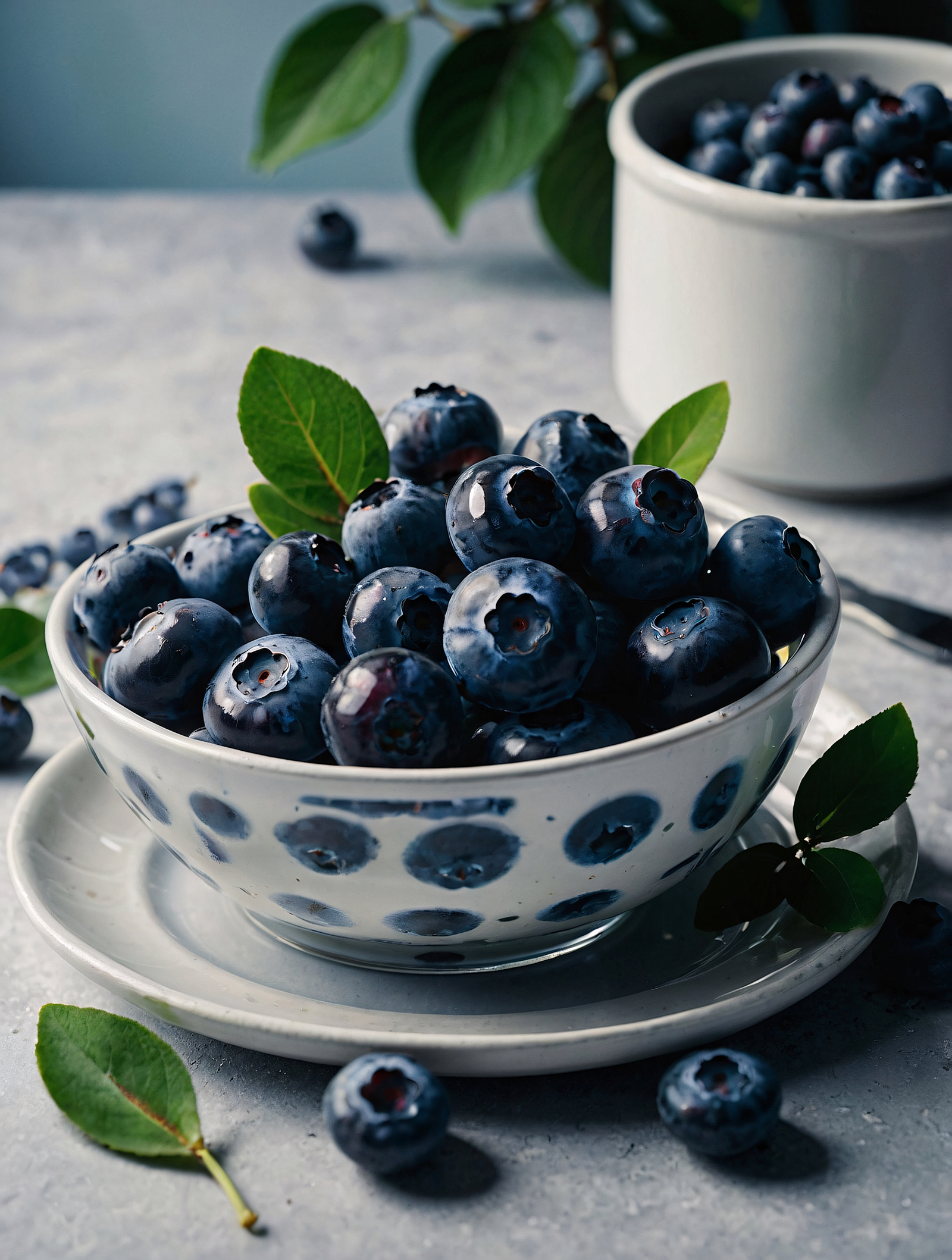
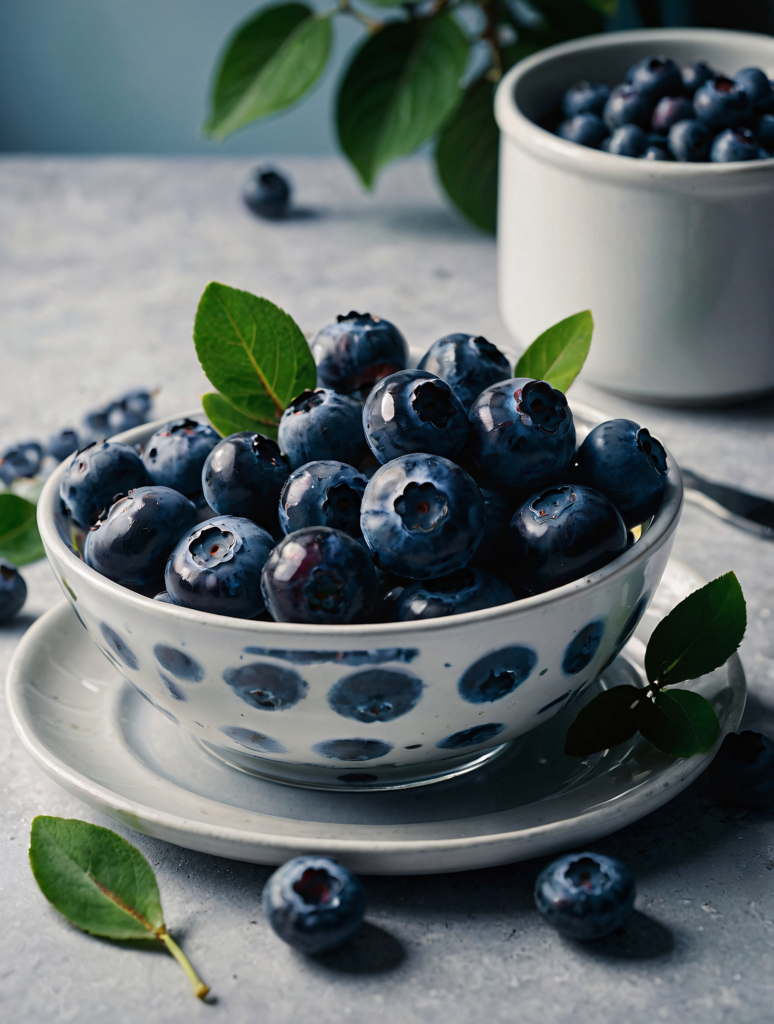
Yes, dogs can eat blueberries in moderation. Blueberries are non-toxic to dogs and are generally considered a safe, healthy snack when served properly. Many dogs enjoy their mild sweetness and small size, making them convenient as training treats or occasional rewards.
As with any new food, blueberries should be introduced gradually. Feeding too many at once may cause stomach upset or diarrhea, especially in dogs with sensitive digestion.
Blueberries are easy to portion because they’re small, but that same size can increase choking risk for tiny dogs who inhale treats. If your dog tends to gulp food, you can mash the berries or slice them in half. For most medium and large dogs, whole berries are fine as long as they’re offered one at a time during training.
The most important serving rule is to keep blueberries plain. Avoid berries coated in sugar, baked into pastries, or mixed into products that may contain unsafe ingredients for dogs (like xylitol). When you keep it simple—washed, fresh, and portioned—blueberries are usually a straightforward win.
Health Benefits of Blueberries for Dogs
When offered in moderation, blueberries can provide several nutritional benefits that support overall canine health.
Antioxidants
Blueberries are rich in antioxidants, which help neutralize free radicals. Antioxidants support cellular health and may contribute to healthier aging, particularly in senior dogs.
Antioxidants are best viewed as supportive nutrients. They work alongside good food, healthy weight, and regular activity.
Vitamins and Nutrients
Blueberries contain vitamins such as vitamin C and vitamin K. These nutrients support immune function, bone health, and normal blood clotting.
Blueberries also contain small amounts of other micronutrients and plant compounds. You don’t need to “count vitamins” from fruit, but it’s nice to know that a few blueberries contribute more than just sweetness. For many dogs, it’s a nutrient-dense swap compared to cookies or high-calorie treats.
Dietary Fiber
Fiber supports digestion and gut health. Small amounts of blueberries may help maintain regular bowel movements in dogs that tolerate fiber well.
Fiber is a double-edged sword: a little can support stool quality, but too much can cause loose stools. If your dog has a history of colitis, IBS, or frequent diarrhea, introduce blueberries slowly and stop if you see soft stool, gas, or stomach gurgling.
Low-Calorie Treat Option
Blueberries are relatively low in calories compared to many commercial dog treats, making them a useful option for dogs that need to manage their weight.
Weight management is mostly about consistent routines. If you use blueberries during training, reduce the amount of other treats the same day. Many owners find it helpful to portion treats into a cup each morning so they can visually track how much has been fed.
How to Feed Blueberries Safely
Always wash blueberries thoroughly before feeding them to your dog. Serve them plain—avoid sweetened, canned, or processed blueberries.
You can serve blueberries fresh or frozen. Frozen berries can be a fun texture for dogs who like to crunch, but for dogs with sensitive teeth or who gulp food, thawing them first may be better. Another simple option is to mix a few mashed blueberries into plain dog-safe yogurt or onto a lick mat for a slower, calmer snack.
- Start with 1–2 blueberries for small dogs
- Offer a small handful for medium to large dogs
- Monitor for digestive upset
- Use blueberries as treats, not meal replacements
How Many Blueberries Can Dogs Eat?
Treats, including fruits, should make up no more than 10% of a dog’s daily caloric intake. Blueberries should be an occasional supplement rather than a daily staple.
Overfeeding blueberries may cause gastrointestinal discomfort due to their fiber content, so moderation is important.
Portion sizes should match your dog’s size. Toy breeds may do best with 2–4 berries, medium dogs with 5–10 spread out, and large dogs with a small handful as an occasional treat.
If your dog is on a weight-loss plan, ask your vet how many treat calories you can “budget” each day. Blueberries can fit into that budget well, but only if they replace higher-calorie treats rather than being added on top of them.
Best Blueberry Dog Treats
If your dog loves blueberries but you want something more convenient than fresh fruit, blueberry-themed treats can be a helpful middle ground. They’re easy to portion, often have clearer feeding guidelines, and can be less messy than fruit in your pocket during walks.
Blueberry Dog Biscuits
Nutro Crunchy Dog Treats with Real Mixed Berries combine blueberries with other wholesome ingredients in a crunchy treat format.
Crunchy biscuits can be especially useful for dogs who enjoy a “snap” texture. If your dog has dental sensitivity or is a senior with fewer teeth, you can break crunchy treats into smaller pieces or choose a softer treat style. Always follow the feeding directions on the package and treat these as occasional rewards.
Blueberry and Yogurt Treats
Bocce’s Bakery Berries & Cream Dog Treats offer a softer option for dogs that prefer chewy textures.
Yogurt-style treats often feel more “special” to dogs because they smell rich and have a soft texture. They can be a great option for training sessions where you need a higher-value reward. As always, choose dog treats (not human yogurt snacks) to avoid added sugars or sweeteners.
Blueberry-Themed Toys
Interactive toys like the Durable Plush Dog Toy for Aggressive Chewers provide playtime enrichment.
For many dogs, the best “treat” is actually play. A durable toy provides enrichment without extra calories.
When to Avoid Feeding Blueberries
Dogs with diabetes, food sensitivities, or digestive disorders should only be given blueberries after consulting a veterinarian. Any signs of vomiting, diarrhea, or discomfort mean blueberries should be discontinued.
Also be cautious if your dog is on a prescription diet or has kidney disease, pancreatitis history, or chronic gastrointestinal issues. Blueberries are not “bad,” but any treat can disrupt a carefully managed diet. If your vet has given strict diet instructions, ask before adding fruit treats.
If your dog eats blueberries and then shows repeated vomiting, ongoing diarrhea, lethargy, or signs of pain, stop feeding them and contact your veterinarian. Most reactions are mild, but it’s always better to check if symptoms are persistent.
FAQ
Are blueberries toxic to dogs?
No. Blueberries are non-toxic and generally safe when fed in moderation. The main risk is stomach upset if a dog eats too many at once, especially if they are not used to fruit or extra fiber.
Can puppies eat blueberries?
Yes, in small amounts. For very small puppies, mash the berries or cut them in half to reduce choking risk. Keep portions tiny and introduce new foods slowly.
Can dogs eat blueberry-flavored human foods?
Usually no. Human blueberry muffins, cereals, syrups, and candies often contain added sugar, artificial flavors, or sweeteners that are not dog-safe. Some “sugar-free” products may contain xylitol, which is dangerous for dogs.
Can dogs eat frozen blueberries?
Many dogs enjoy frozen blueberries as a crunchy summer treat. If your dog has sensitive teeth or tends to gulp food, thaw the berries first or mash them into a lick mat to slow eating.
Can blueberries help with dog breath or dental health?
Blueberries are not a dental treatment. While antioxidants support general health, dental health is best supported by tooth brushing, veterinary dental care, and appropriately sized dental chews. Fruit can still stick to teeth if fed often.
How many blueberries are too many?
“Too many” depends on the dog’s size and digestion. If you see soft stool, gas, or diarrhea, cut back or stop. For many dogs, a few berries during training is plenty. Treats should stay under about 10% of daily calories.
Can diabetic dogs eat blueberries?
Some diabetic dogs can have a very small amount of blueberries, but you should check with your veterinarian first. Even natural fruit sugars can affect blood glucose, and diabetic diets are often carefully balanced.
What’s the safest way to serve blueberries?
Wash them well, serve them plain, and offer them one at a time. If your dog gulps treats, mash the berries or mix a small amount into their food. Avoid mixing blueberries with unsafe foods like grapes/raisins or sugary baked goods.