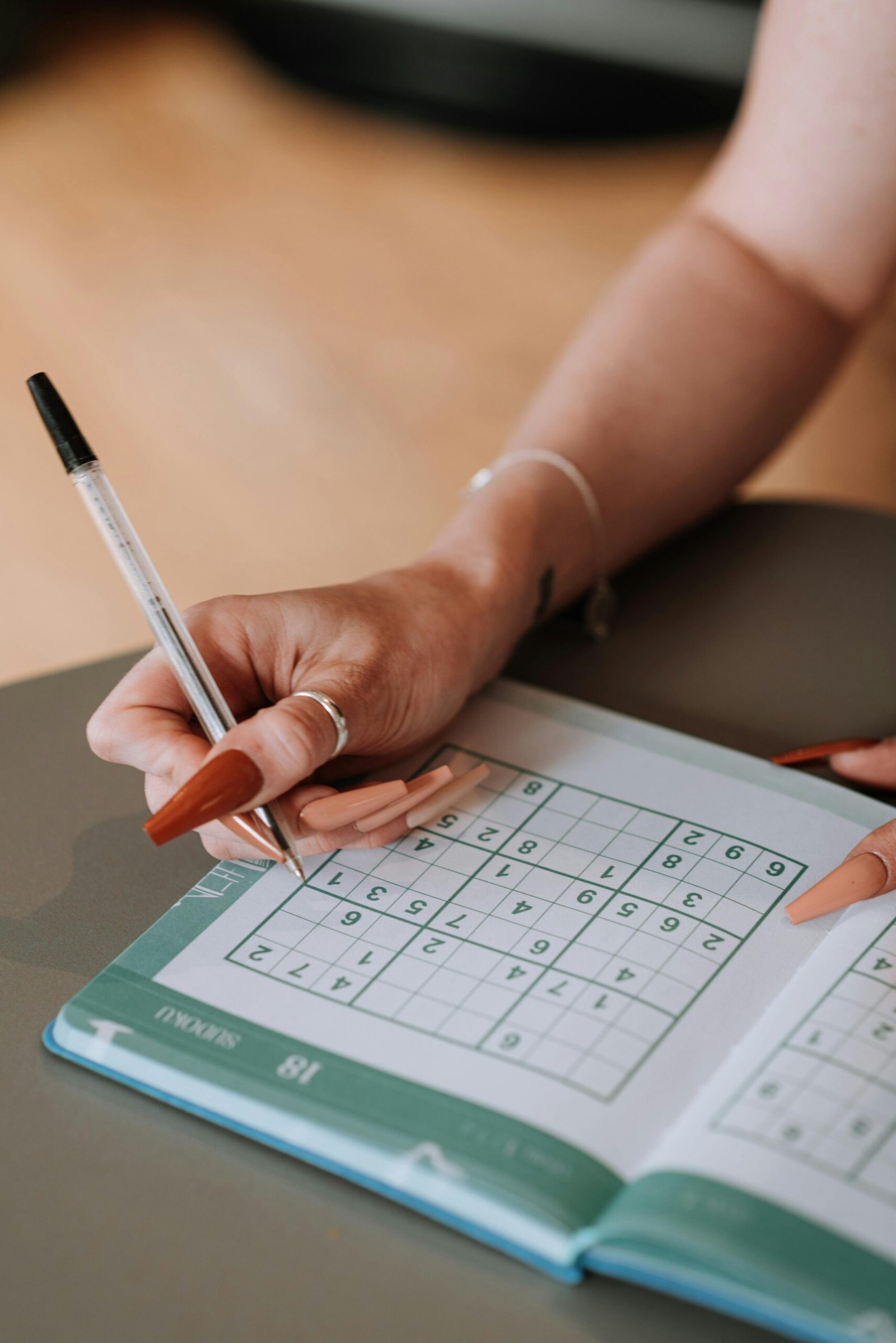

How to Play Sudoku: Tips & Best Sudoku Puzzle Books
Sudoku is one of the most popular logic puzzles in the world, enjoyed by millions of people every day. If you’re searching for how to play Sudoku, chances are you want a clear explanation of the rules, practical tips to improve, and guidance on how to get better without feeling overwhelmed. While Sudoku looks simple at first glance, its depth and variety are what keep players coming back.
What makes Sudoku especially appealing is that it doesn’t rely on math ability. Instead, it rewards patience, logical reasoning, and pattern recognition. Whether you’re solving puzzles in a newspaper, on your phone, or in a puzzle book, the core rules remain exactly the same. Once you understand those rules, everything else builds naturally from practice.
Disclaimer
Love what you see at Can Dogs Help? Your support helps us bring more unique blogs to life. If you choose to purchase through our referral links below, we may receive a small contribution at no extra cost to you, which helps keep the creativity flowing. Thanks for stopping by, and hope to see you here again soon.
What Is Sudoku?
Sudoku is a logic-based number placement puzzle that uses a 9×9 grid divided into nine 3×3 boxes. Some numbers are filled in at the start, and the rest must be completed using logic. The puzzle always has a solution that does not require guessing.
Although Sudoku became widely popular in the early 2000s, similar number-placement puzzles existed decades earlier. Its modern form gained traction because it’s easy to learn, challenging to master, and satisfying to solve.
Understanding the Sudoku Grid
The Sudoku grid consists of nine rows, nine columns, and nine 3×3 boxes. Each section must contain the numbers 1 through 9 exactly once.
The Goal of Sudoku
Your objective is to complete the grid so that every row, column, and box contains each number from 1 to 9 without repetition. No math is involved—just logical deduction.
Basic Rules of Sudoku
- Each row must contain the numbers 1–9 exactly once.
- Each column must contain the numbers 1–9 exactly once.
- Each 3×3 box must contain the numbers 1–9 exactly once.
These simple rules apply to every Sudoku puzzle, regardless of difficulty.
How to Start a Sudoku Puzzle
When starting a puzzle, scan the grid for rows, columns, or boxes that already contain many numbers. These areas usually offer the easiest placements.
Beginners should resist the urge to guess. Every correct move can be deduced logically by eliminating impossible numbers.
Essential Sudoku Techniques for Beginners
These core techniques are enough to solve most easy and medium puzzles.
Naked Singles
If only one number can fit in a cell based on existing numbers, that cell must contain that number.
Hidden Singles
A number may only fit in one position within a row, column, or box—even if that cell still has multiple candidates.
Pencil Marking
Writing small candidate numbers in empty cells helps track possibilities and eliminate options logically.
Intermediate and Advanced Sudoku Tips
Harder puzzles require more careful observation and pattern awareness.
Scanning and Cross-Hatching
Scanning rows and columns helps eliminate candidates. Cross-hatching focuses on interactions between rows, columns, and boxes.
Pattern Recognition
As you gain experience, you’ll begin to recognize common patterns that reveal placements without checking every cell individually.
Common Mistakes New Players Make
- Guessing instead of using logic
- Ignoring obvious placements
- Spending too long in one area
- Forgetting to re-check rows and columns
Why Sudoku Is Good for Your Brain
Sudoku improves concentration, logical thinking, and patience. Many players find it relaxing because it requires focus without time pressure.
Regular play can sharpen problem-solving skills and help maintain mental flexibility over time.
Best Sudoku Puzzle Books and Sets
- The BOHS Wooden Rainbow Sudoku Puzzle for hands-on learning.
- 1000+ Sudoku Puzzles for Adults for long-term practice.
- Brain Games Sudoku Challenge for quick sessions.
- Very Easy Sudoku Puzzle Book for Beginners.
- How To Play Sudoku for structured learning.
Building a Daily Sudoku Habit
Solving one puzzle a day is a great way to improve steadily. Start with easy puzzles and gradually increase difficulty as your confidence grows.
Tracking your time or difficulty level can help you see progress without turning Sudoku into a stressful challenge.
FAQ
Is Sudoku hard to learn?
No. The rules are simple, and most players can solve beginner puzzles quickly.
Does Sudoku improve intelligence?
Sudoku supports logical thinking and focus, though it doesn’t directly increase IQ.
How often should I play Sudoku?
Even a few puzzles per week can noticeably improve skill and speed.