What Colors Can Dogs See? Dog Vision Explained & Best Toys for Their Eyes
As dog owners, we often wonder what the world looks like through our pets’ eyes. One of the most common questions people ask is what colors dogs can actually see. Understanding dog vision can help improve training, enrichment, and even toy selection so your dog stays engaged and confident during play.
Love what you see at Can Dogs Help? Your support helps us bring more unique blogs to life. If you choose to purchase through our referral links below, we may receive a small contribution at no extra cost to you, which helps keep the creativity flowing. Thanks for stopping by, and hope to see you here again soon.
The Science Behind Dog Vision
Dogs see the world differently than humans because of how their eyes are structured. Humans have three types of cone cells in their retinas, allowing us to perceive a wide range of colors. Dogs, however, have only two types of cones. This difference limits the color spectrum dogs can detect.
Because of this, dogs are often compared to humans with red-green color blindness. Their vision is not black and white, but it is more muted and simplified than human vision.
Dogs also tend to be better at detecting movement than fine detail. That’s why a still toy that blends into the background can be hard to locate, but the same toy becomes obvious the moment it rolls or bounces. In practical terms, games that combine motion with a high-contrast color are usually the most engaging for your dog.
Lighting matters, too. Bright sunlight can create glare and harsh shadows, while dusk can make colors look more muted. If your dog struggles to find toys at certain times of day, try a brighter blue or yellow toy and add a sound cue (like a squeak) or scent-based reward to make success easier.
What Colors Can Dogs See?
Dogs primarily see shades of blue and yellow. Other colors appear as variations of gray, brown, or dull tones.
A helpful way to picture dog color vision is to imagine a simplified palette: blues and yellows “pop,” while many reds and greens shift into dull, earthy tones. Dogs can still recognize objects they love, but color alone may not be the best way to help them find something quickly—contrast, movement, and familiarity often do more work than we realize.
- Blue: Dogs see blue very clearly. Blue toys stand out well against grass or flooring.
- Yellow: Yellow is also easy for dogs to distinguish and is highly visible.
- Gray: Dogs perceive gray and neutral shades fairly well.
- Red and Green: These colors are difficult for dogs to differentiate and often appear dull.
Why Color Matters for Dog Toys
Color plays a major role in how easily dogs can locate and engage with toys. Choosing toys in colors dogs can see best reduces frustration and encourages longer, more enthusiastic play sessions.
If your dog seems to “give up” during fetch or searches in the wrong spot, it may be a visibility issue rather than a training problem. A simple color change can reduce frustration and boost confidence—especially for puppies learning the game or senior dogs with mild vision changes.
This becomes even more important in group play or busy parks. If multiple toys are on the ground, your dog may pick the one that is most visible first. Using a consistent “fetch color” (like a blue ball) can make training cleaner and reduce the time your dog spends searching.
This is especially important for fetch, outdoor play, training exercises, and puzzle toys that rely on visual cues.
Best Interactive Dog Toys Based on Dog Vision
Below are a few popular styles of toys and gear that pair visibility with enrichment. The goal isn’t to buy the most toys—it’s to choose one or two that your dog can spot easily and that match their play style (fetch, tug, chew, or puzzle-solving).
If you’re shopping for a new fetch toy, consider testing two colors side-by-side in your yard: toss a red ball and then a blue ball at the same distance. Many dogs will locate the blue option faster, especially when the toy stops moving. That simple experiment can help you choose toys your dog will “win” with.
Chuckit! Ultra Ball
The Chuckit! Ultra Dog Ball & Launcher Bundle is a favorite because its bright blue color is highly visible to dogs. It’s durable, bouncy, and easy to spot during fetch games.
If your dog loves fetch, a highly visible ball can reduce “lost toy” moments and keep sessions upbeat. Rotate toys occasionally to maintain novelty, and keep fetch sessions short enough that your dog ends on a win rather than getting frustrated or overtired.
ZippyPaws Burrow Toys
Interactive plush toys like ZippyPaws Skinny Peltz Burrow Toy Set use bright, contrasting colors that keep dogs visually engaged while they dig out squeaky critters.
Nina Ottosson Puzzle Toys
Mental stimulation is just as important as physical exercise. The Outward Hound Treat Tumble Interactive Puzzle Ball features bright colors and encourages problem-solving through play.
Puzzle toys work best when you start easy and slowly increase difficulty. If your dog gets stuck, help them succeed with a hint rather than letting them quit. Success builds confidence, and confidence builds long-term engagement.
KONG Classic Dog Toy
While red may not stand out visually, the KONG Classic Stuffable Dog Toy remains engaging thanks to scent, texture, and treat-based enrichment.
Do Dogs Need Eye Protection?
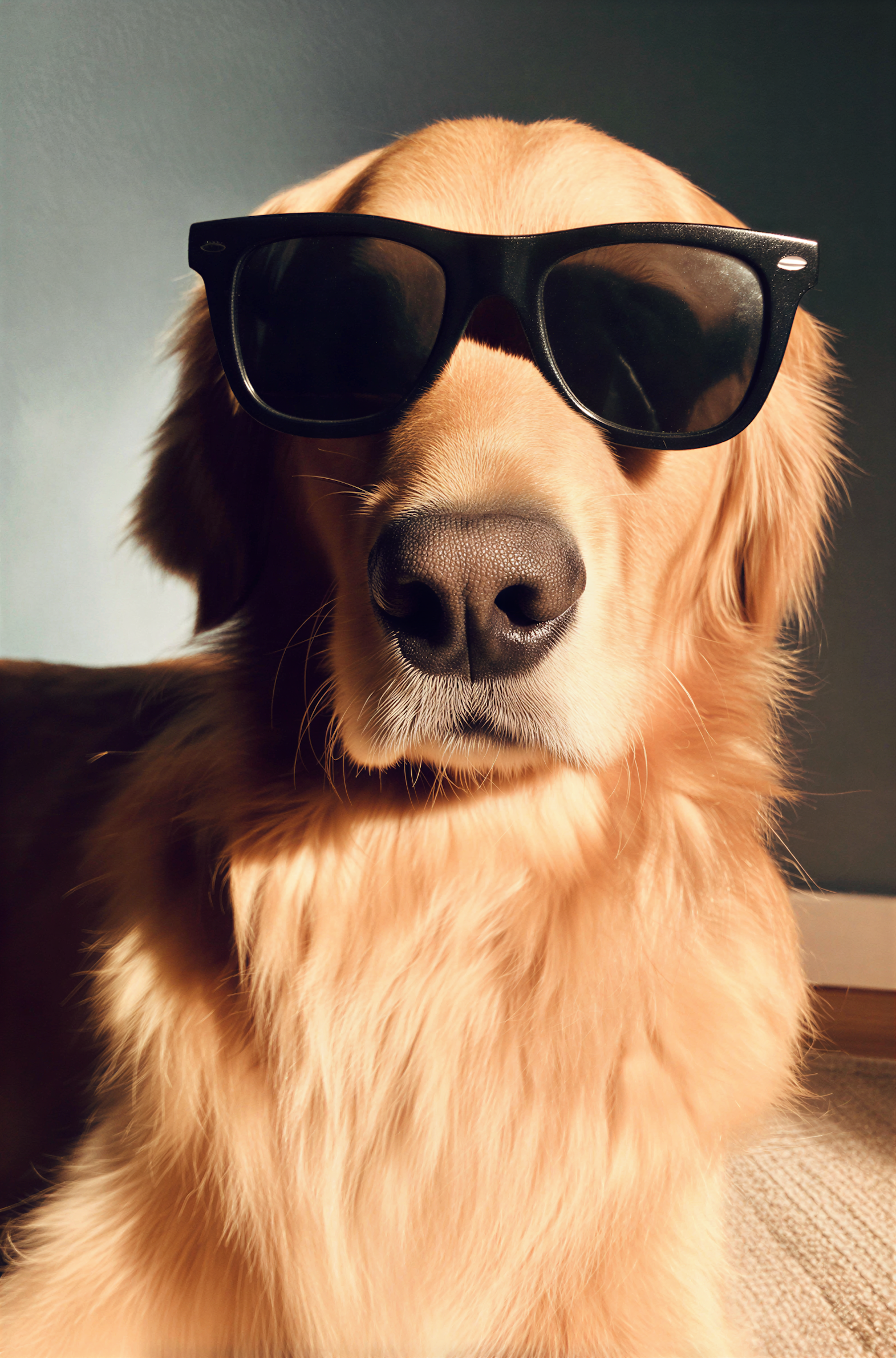
Dogs that ride in cars, participate in outdoor sports, or spend time in windy or dusty environments may benefit from protective eyewear. Dog goggles help shield eyes from debris, UV exposure, and irritation.
Dogs with prominent eyes or certain breeds may be more prone to irritation from wind and debris. If your dog frequently squints, rubs their eyes after outdoor time, or you notice redness, it’s worth asking your veterinarian whether protective eyewear (or a different activity setup) would help.
Dog Goggles and Sunglasses to Consider
Lewondr Small Dog Sunglasses
The Lewondr Small Dog Sunglasses offer UV protection with a lightweight, adjustable design suitable for smaller breeds.
NAMSAN Dog Goggles
For medium to large breeds, the NAMSAN Dog Goggles provide wind and UV protection, making them ideal for car rides and outdoor adventures.
NVTED Dog Goggles (Pack of 2)
The NVTED Dog Sunglasses Pack offers versatility for multi-dog households or backup use.
NVTED Large Breed Dog Goggles
For larger dogs, the NVTED Large Breed Dog Goggles provide wide coverage and secure fit for active outdoor use.
How to Choose the Right Toys for Your Dog
When selecting toys, consider size, durability, and color visibility. Blue and yellow toys are generally the easiest for dogs to see, especially outdoors. Combining visible colors with engaging textures and scents creates the most rewarding play experience.
Also consider your dog’s environment. On snow, pale toys can disappear; on sand, tan toys blend in. Pick a color that contrasts with where you play most. If you play at both the beach and a grassy park, having one “high-contrast” toy for each environment can make a noticeable difference.
Finally, remember that dogs don’t rely on vision alone. Many dogs track toys by sound (squeakers), scent, and routine. Combining a visible color with a toy that has an interesting texture or treat-stuffing option tends to create the strongest motivation.
Conclusion
In short, choosing the right colors won’t replace good training or a strong bond—but it can remove small obstacles that make play harder than it needs to be. When your dog can see the target clearly, they’re more likely to stay focused, bring the toy back, and enjoy the game.
So, what colors can dogs see? Dogs primarily see blue and yellow, while reds and greens appear muted or gray. Understanding this helps owners make smarter choices when selecting toys, training tools, and enrichment activities.
By choosing visually appropriate toys and supportive gear like goggles when needed, you can enhance your dog’s confidence, safety, and enjoyment during play and exploration.
FAQ: What Colors Can Dogs See?
Do dogs see in black and white?
No. Dogs can see color, but their color range is narrower than ours. Most dogs see best in a blue-and-yellow spectrum, while reds and greens are harder for them to separate.
What colors do dogs see best for toys?
Blue and yellow are usually the easiest colors for dogs to notice. If your dog often “loses” a toy on grass, try switching to a bright blue or yellow option for better visibility.
Why does a red toy disappear on green grass?
Many dogs don’t distinguish red and green the way humans do. In outdoor settings, a red object can blend into a green background, especially once the toy stops moving.
Can dogs see purple or orange?
Many purples appear closer to blue for dogs. Orange often appears closer to yellow. Bright, high-contrast shades tend to be easier to spot than muted tones.
Do dogs see better at night?
Dogs often see better than humans in low light because their eyes are built for motion detection and dim environments. That said, they can still struggle with glare or fast lighting changes.
Does breed change what colors dogs can see?
Most breeds share the same basic color range, but visibility can still vary by individual dog, lighting, eye health, and age. If your dog is older, higher-contrast toys and consistent routines can help.
Are red toys still worth buying?
Sometimes, yes—especially for indoor play where contrast is different, or if the toy is smell-based, treat-based, or textured. But for outdoor fetch, blue or yellow usually makes the game easier for your dog.
Do dogs need goggles or sunglasses?
Not always. Goggles can be helpful for dogs who ride in cars, run in dusty wind, hike in bright sun, or play in environments where debris might irritate the eyes. Introduce eyewear gradually with treats so your dog stays comfortable.