Can Dogs Eat Almonds? Risks, Choking Hazards & Safer Dog Treat Options
As a dog owner, it’s natural to wonder which human foods are safe to share with your pet. Almonds are a popular snack for people, but when it comes to dogs, things are not so simple. Before offering almonds to your dog, it’s important to understand the potential risks, choking hazards, and healthier alternatives.
Love what you see at Can Dogs Help? Your support helps us bring more unique blogs to life. If you choose to purchase through our referral links below, we may receive a small contribution at no extra cost to you, which helps keep the creativity flowing. Thanks for stopping by, and hope to see you here again soon.
Are Almonds Safe for Dogs?
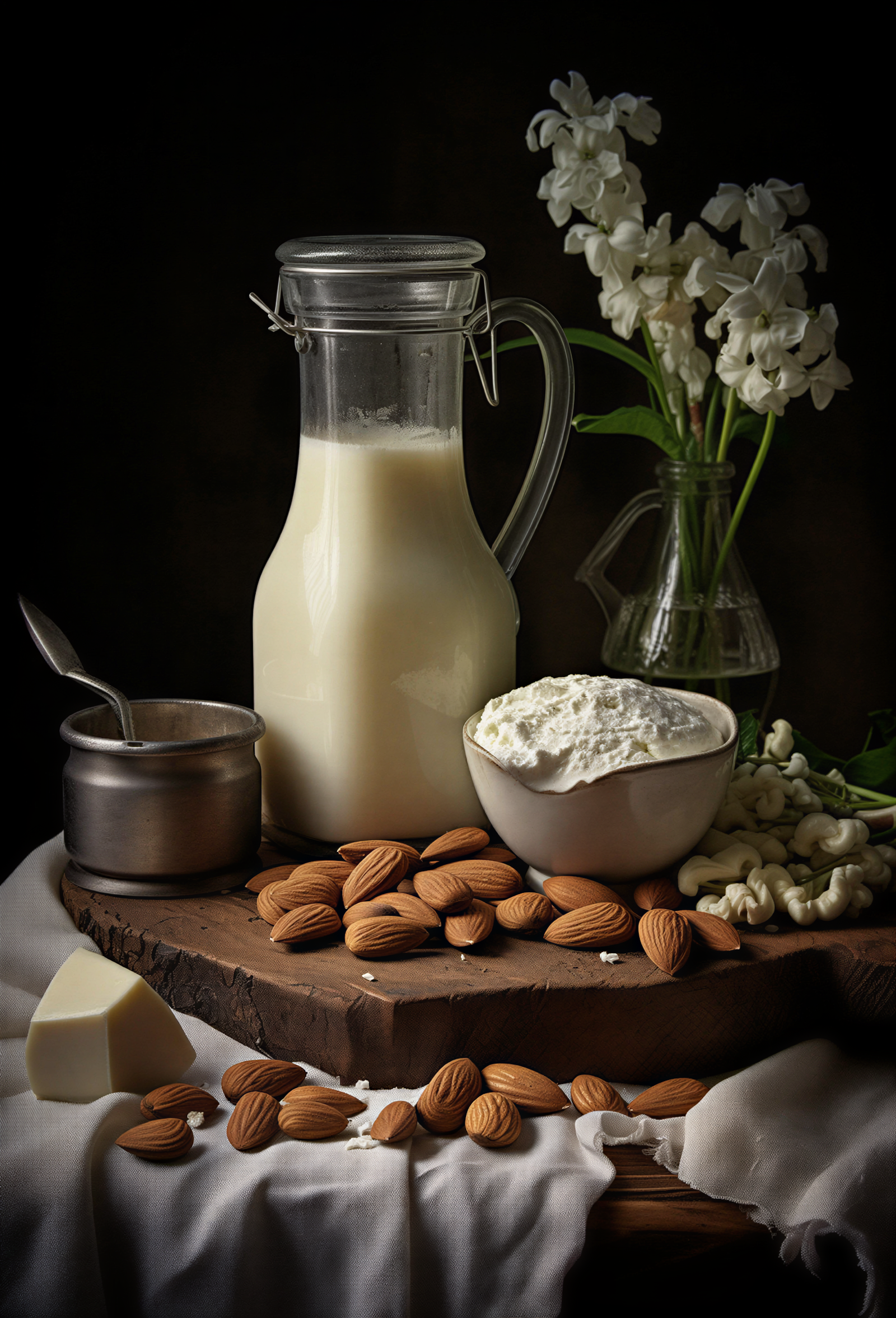
Almonds are not considered toxic to dogs in the same way that some nuts are, but that does not mean they are safe. Dogs do not digest almonds easily, and even small amounts can cause gastrointestinal upset. Because almonds are high in fat, they may lead to vomiting, diarrhea, or discomfort—especially in dogs with sensitive stomachs.
Another concern is calorie density. Almonds are calorie-rich and can contribute to weight gain or obesity, particularly in smaller breeds or dogs that already struggle with weight management.
Almonds also don’t bring meaningful benefits for dogs the way they can for people. Dogs get their essential nutrients from balanced dog food, and “human health foods” often add extra fat and calories without improving canine nutrition. That’s why vets typically recommend sticking to dog-specific snacks rather than sharing nuts.
Choking and Digestive Blockage Risks
One of the most serious dangers of feeding almonds to dogs is the risk of choking. Almonds are hard and often swallowed whole, especially by dogs that do not chew thoroughly.
Choking risk increases when a dog is excited, eating quickly, or competing with another pet for food. If your dog is a “gulper,” even small, hard foods can be dangerous. Nuts are especially tricky because they don’t soften much in saliva and can slip down the throat before a dog has a chance to chew.
- Small dogs are especially vulnerable to choking
- Whole almonds can become lodged in the throat
- Undigested almonds may cause intestinal blockages
Blockages can be life-threatening and often require emergency veterinary care. Because of this risk alone, most veterinarians recommend avoiding almonds altogether.
Can Dogs Be Allergic to Almonds?
Although nut allergies are less common in dogs than in humans, they do occur. Some dogs may have allergic reactions to almonds or other nuts.
Symptoms of an allergic reaction may include itching, skin irritation, ear infections, swelling, or difficulty breathing. Any signs of an allergic reaction should be treated as a medical concern.
High-fat snacks can also be a problem for dogs prone to pancreatitis. While a few almonds may not trigger it in every dog, pets with a history of pancreatitis or chronic digestive issues should avoid nuts entirely. If your dog has ever had a pancreatitis episode, ask your vet before offering any high-fat “people food.”
Why Almond-Flavored Foods Are Also Risky
Almond-flavored snacks or seasoned almonds are even more dangerous. These products often contain salt, sugar, spices, or artificial sweeteners such as xylitol, which is extremely toxic to dogs.
Never offer flavored, roasted, or sweetened almonds to your dog.
Safer Alternatives to Almonds for Dogs
Instead of almonds, there are many dog-safe treats that provide nutrition and enjoyment without the risks.
When shopping for dog treats, look for clear ingredient lists, reasonable calorie counts, and treats sized appropriately for your dog. For training, smaller treats are usually better than large biscuits because you can reward more often without overfeeding. For chews, always supervise and choose a size that your dog can’t swallow whole.
Pumpkin-Based Dog Treats
Pumpkin is high in fiber and supports digestion. A popular option is Blue Buffalo Health Bars Crunchy Dog Biscuits with Pumpkin , which are made with natural ingredients.
High-Quality Commercial Dog Treats
Well-made dog biscuits provide balanced nutrition. The Old Mother Hubbard Wellness P-Nuttier Dog Biscuits are a trusted option for training and rewards.
Freeze-Dried Dog Treats
Single-ingredient treats are easier to digest. The Vital Essentials Freeze-Dried Beef Liver Dog Treats offer high protein without fillers.
If you’re offering any packaged treat for the first time, introduce it gradually. Start with one small piece, then wait and watch for digestive changes like soft stool or itching. Every dog is different, and “gentle” treats can still cause issues for dogs with sensitive stomachs.
Grain-Free Dog Treats
For dogs with sensitivities, grain-free options like Buddy Biscuits Grain-Free Crunchy Dog Treats are gentle and flavorful.
Interactive Dog Toys as Treat Alternatives
Sometimes the best reward isn’t food. Interactive toys such as the Interactive Squeaky Moving Dog Toy provide stimulation and play without dietary risks.
What to Do If Your Dog Eats Almonds
If your dog eats one or two almonds accidentally, monitor them closely for signs of discomfort. Contact your veterinarian if your dog shows symptoms such as vomiting, lethargy, abdominal pain, or difficulty breathing.
If your dog ate almonds, focus on the “how much” and “what kind.” Plain almonds are usually a stomach-upset risk, while flavored nuts, trail mixes, and sugar-free products are more concerning because of added ingredients. If you suspect xylitol exposure, don’t wait—seek urgent veterinary advice.
If a large quantity is consumed, seek veterinary advice immediately.
Can almonds cause pancreatitis in dogs?
Almonds are high in fat, and high-fat snacks can contribute to pancreatitis in sensitive dogs. While not every dog will develop pancreatitis from a small amount, dogs with a prior pancreatitis history should avoid nuts and other fatty “people foods.”
Can puppies eat almonds?
It’s best to avoid almonds for puppies. Puppies have smaller airways (higher choking risk) and more sensitive digestive systems. Use puppy-safe training treats instead.
Are almond shells dangerous for dogs?
Yes. Shells are hard, sharp, and indigestible, increasing the risk of mouth injury, choking, or intestinal blockage. Keep shelled nuts well out of reach.
Conclusion
So, can dogs eat almonds? While almonds are not technically toxic, they pose enough risks that feeding them to dogs is not recommended. Choking hazards, digestive issues, and potential allergic reactions make almonds a poor treat choice.
Choosing safer alternatives—such as pumpkin treats, freeze-dried snacks, or interactive toys—helps keep your dog healthy, happy, and protected from unnecessary risks.
Bottom line: almonds aren’t a “panic” food if a dog steals one, but they’re also not a smart treat choice. With so many safer options that provide the same reward experience, it’s easier (and cheaper) to make almonds a no-go in your dog’s snack routine.
FAQ: Can Dogs Eat Almonds?
Can dogs eat a few almonds?
A few plain almonds may not cause toxicity, but they can still cause vomiting, diarrhea, or choking—especially in small dogs or dogs that gulp food. It’s best to avoid them as a treat.
Are almonds poisonous to dogs?
Plain almonds aren’t typically considered “poisonous,” but they’re still risky because of choking hazards, digestive upset, and the potential for intestinal blockage.
What should I do if my dog ate one almond?
Monitor your dog for symptoms like vomiting, diarrhea, coughing, or lethargy. Many dogs will be fine after one, but if your dog is small, has health issues, or shows symptoms, contact your veterinarian.
What if my dog ate a lot of almonds?
If your dog ate many almonds, call your veterinarian for advice. The risk of stomach upset, pancreatitis in sensitive dogs, and intestinal blockage increases as the amount goes up.
Can dogs eat salted almonds?
Salted almonds are a worse choice than plain almonds. Excess salt can irritate the stomach and contribute to dehydration. Avoid sharing salted nuts.
Can dogs eat almond butter?
Almond butter is high in fat and calories, and it may contain added salt or sugar. Some nut butters can also contain xylitol, which is extremely toxic to dogs. If you use nut butter, check labels carefully and keep portions tiny.
Can dogs drink almond milk?
A small amount of plain, unsweetened almond milk is less risky than whole almonds, but many dogs still get digestive upset from it. Avoid sweetened or flavored versions, and stick to water as the best option.
Is it okay if my dog keeps begging for almonds?
Begging doesn’t mean the food is safe. Offer a dog-safe alternative like a crunchy biscuit, a small carrot piece, or a single-ingredient freeze-dried treat instead.
What are the best alternatives to almonds for dog treats?
Dog-formulated crunchy treats, pumpkin-based biscuits, freeze-dried single-ingredient treats, and interactive toys are all safer options that still feel rewarding.
Can almonds cause pancreatitis in dogs?
Almonds are high in fat, and high-fat snacks can contribute to pancreatitis in sensitive dogs. While not every dog will develop pancreatitis from a small amount, dogs with a prior pancreatitis history should avoid nuts and other fatty “people foods.”
Can puppies eat almonds?
It’s best to avoid almonds for puppies. Puppies have smaller airways (higher choking risk) and more sensitive digestive systems. Use puppy-safe training treats instead.
Are almond shells dangerous for dogs?
Yes. Shells are hard, sharp, and indigestible, increasing the risk of mouth injury, choking, or intestinal blockage. Keep shelled nuts well out of reach.
Conclusion
So, can dogs eat almonds? While they aren’t typically considered highly toxic, almonds are still not recommended for dogs because the risks outweigh the benefits. Choking hazards, digestive upset, calorie load, and the danger of flavored ingredients (and especially xylitol in some products) make almonds a poor snack choice for pets.
If your dog accidentally eats almonds, monitor for symptoms and contact your vet if anything seems off. And for treats, choose safer dog-friendly options that keep your pup happy without the unnecessary risk.